Operational requirements
A location feed becomes useful when dispatch can relate it to journeys, exceptions and service activity. Gaps or delays in telemetry need to remain visible.
Solution Brief
Logistics businesses and fleet operations teams. This solution brief outlines the requirements to review before commissioning a system.
A location feed becomes useful when dispatch can relate it to journeys, exceptions and service activity. Gaps or delays in telemetry need to remain visible.
The proposed scope can include current positions, trip history, geofence events and utilisation reports using a supported tracking source.
Review data coverage, report accuracy and the time taken to investigate a trip. Any assessment of fuel or service savings needs a reliable baseline and supporting records.
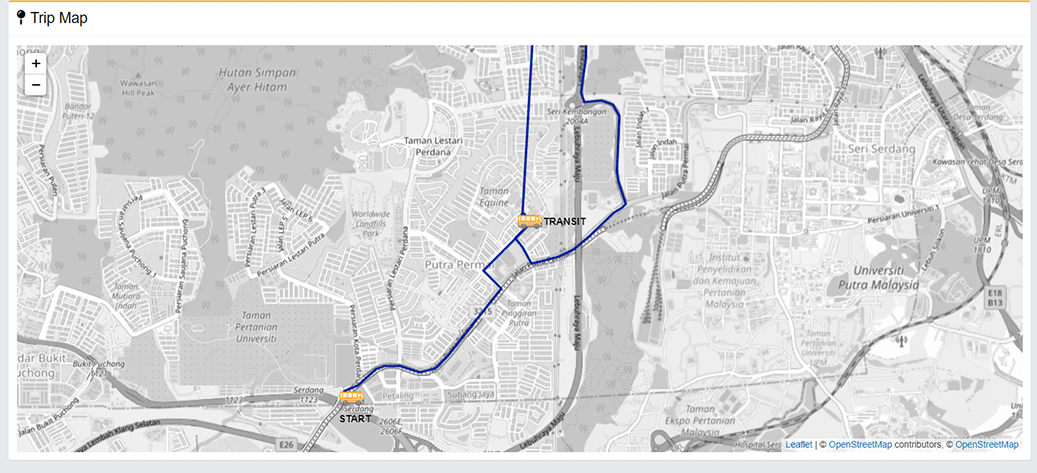
Review the wider scope, integration considerations and delivery approach for this type of system.
Fleet Tracking Portals & Operations ReportingThe project needs a reliable source of vehicle location data, a way to receive it and software to display and report on it. Device compatibility, data subscriptions and installation arrangements must be established alongside the portal requirements.
No. A location is only as current as the most recent update received. Device reporting intervals, signal loss and provider delays all matter. The interface should display the update time and flag stale positions so staff can judge the information correctly.
Yes, where the data supports the measure you need. Trip history, time in a defined area and vehicle activity are examples. Reports need agreed definitions and checks for missing data; location records alone do not establish every aspect of driver or fleet performance.
Reports should show missing intervals rather than imply that a vehicle followed a confirmed route throughout the gap. Agree whether distance and duration figures use device readings, received positions or another source. Staff need to understand those limits before using the figures for operational decisions.
Check device compatibility, reporting intervals, available fields, historical access and API limits. Ask how data is delivered during signal loss and whether older records can be exported. Subscription charges, installation and software integration are separate parts of the overall operating cost.