01
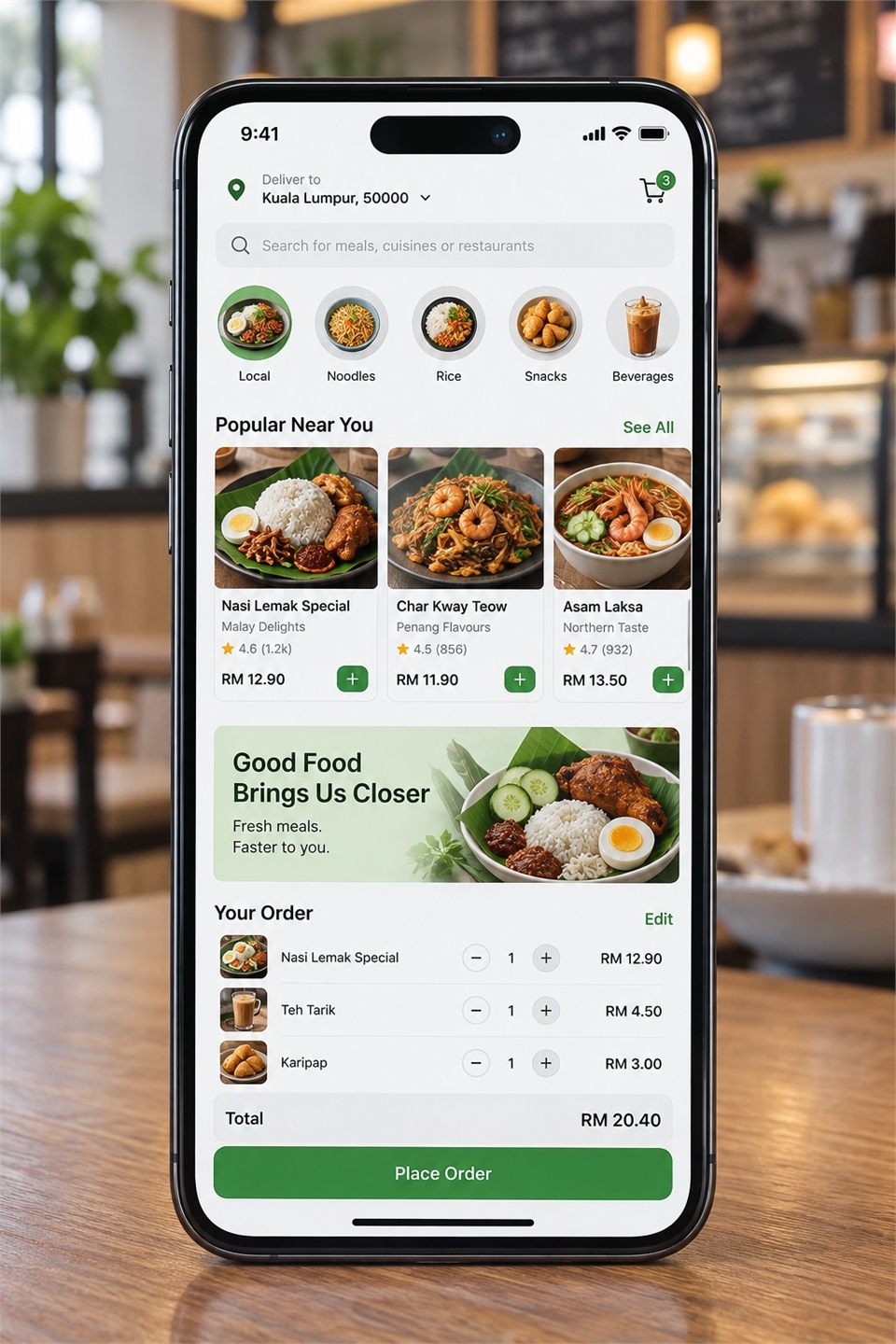
Order faster
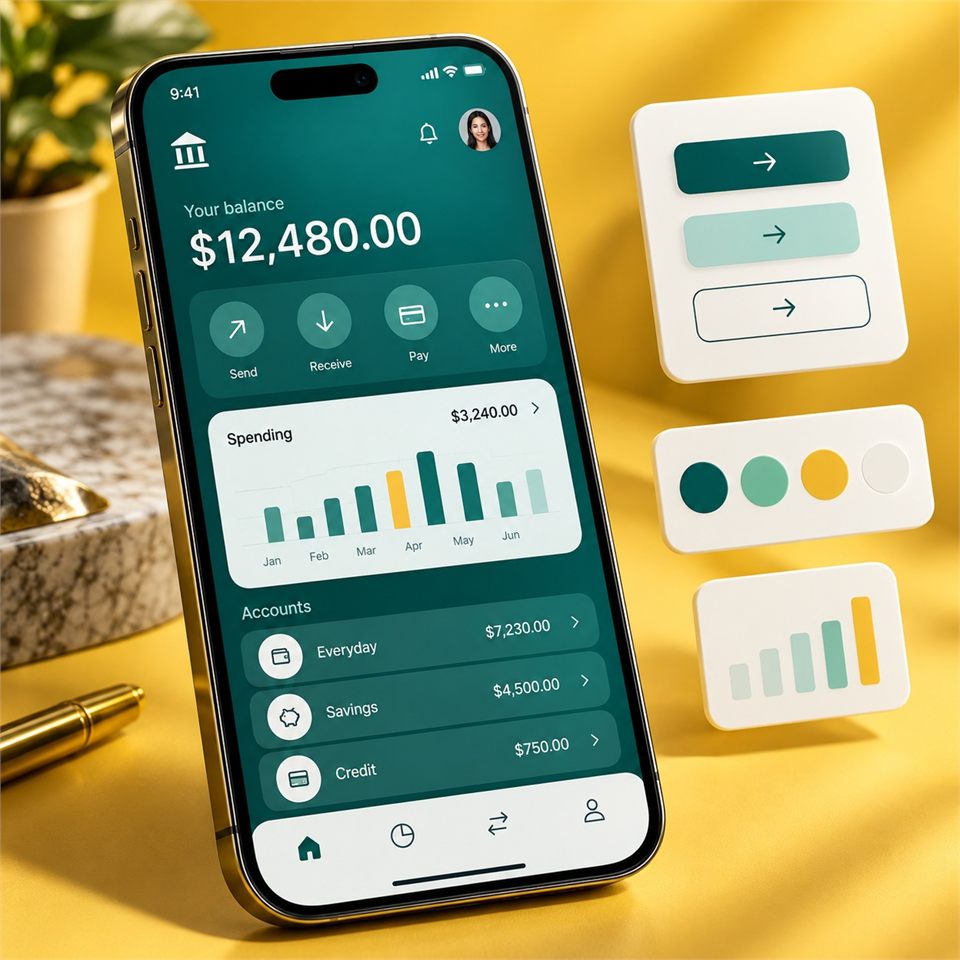
Make repeat purchases and account tasks straightforward.
Turn every tap into business value.
Ionic hybrid apps for iOS and Android, built around your customers, field teams and day-to-day operations. One shared codebase keeps your product moving in the same direction.
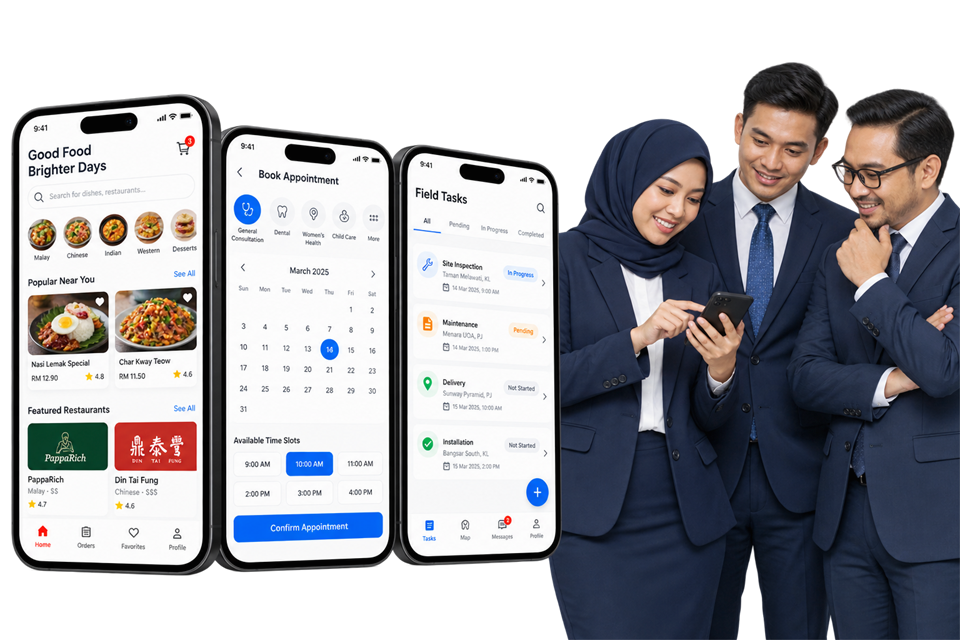
Make repeat purchases and account tasks straightforward.
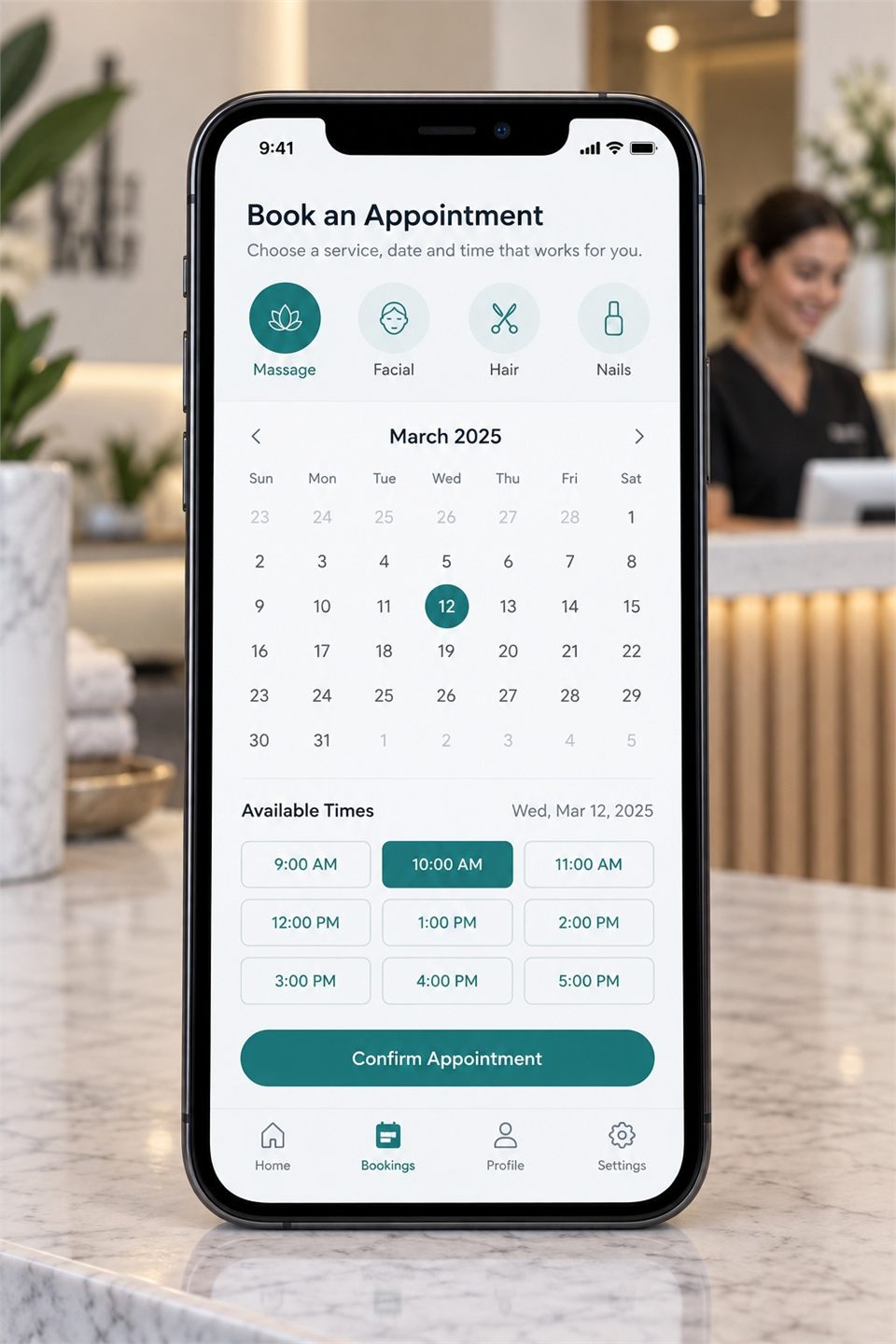
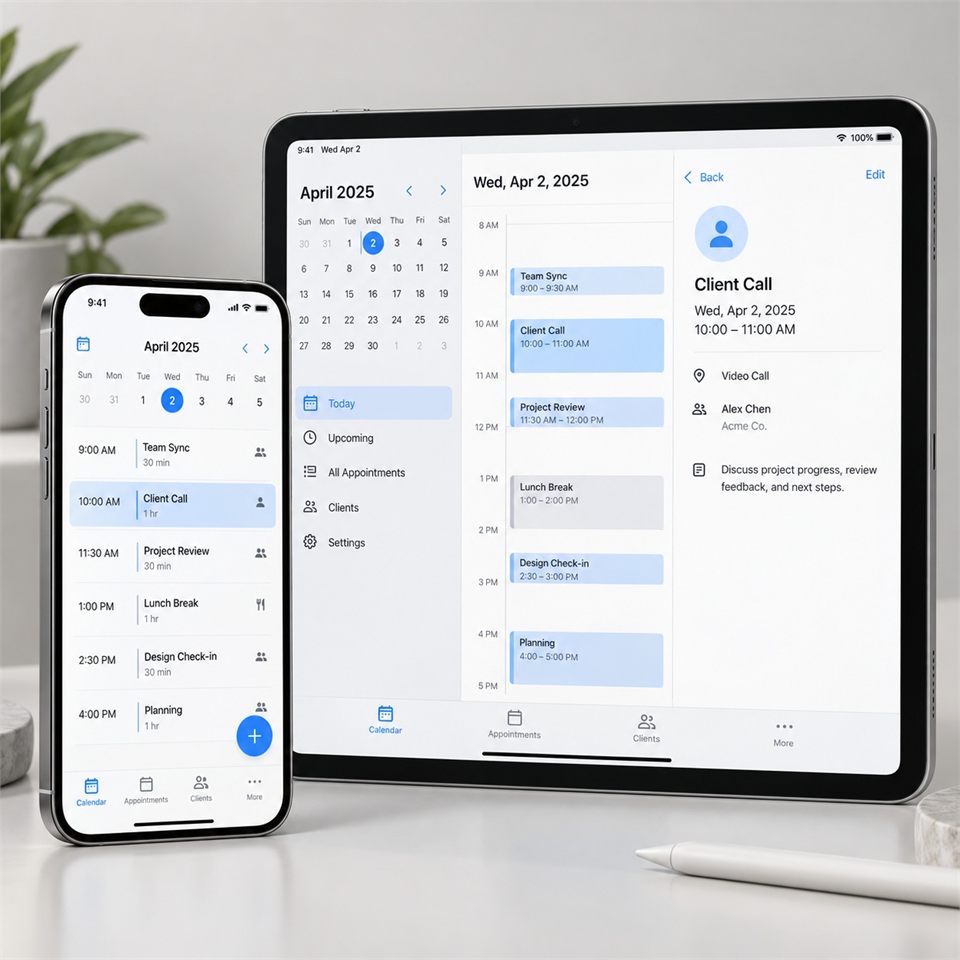
Show available times, confirm bookings and send reminders.
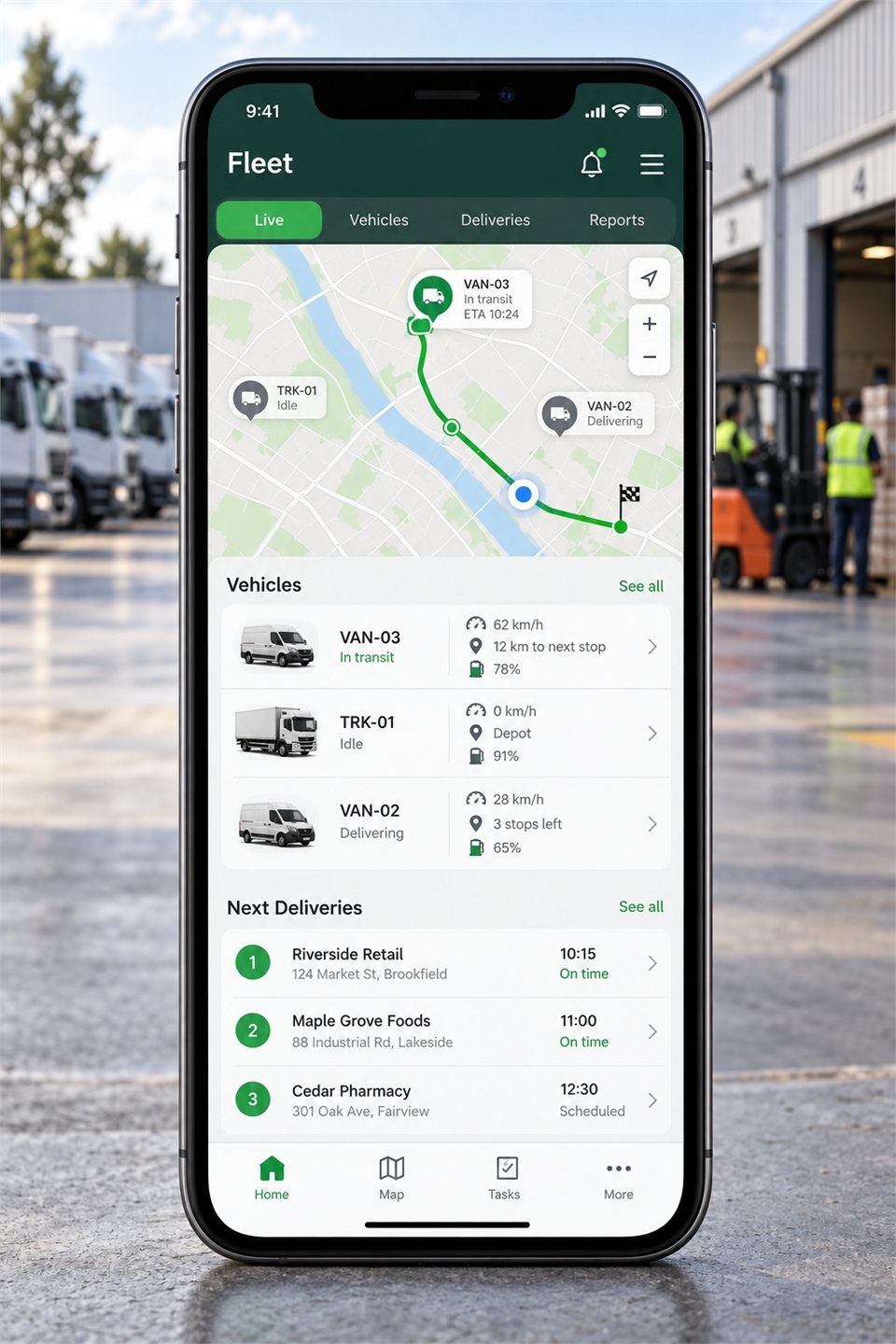
Keep customers informed when an order or service changes.
We use Ionic, Angular and Capacitor to build your app around a shared codebase for iOS and Android.
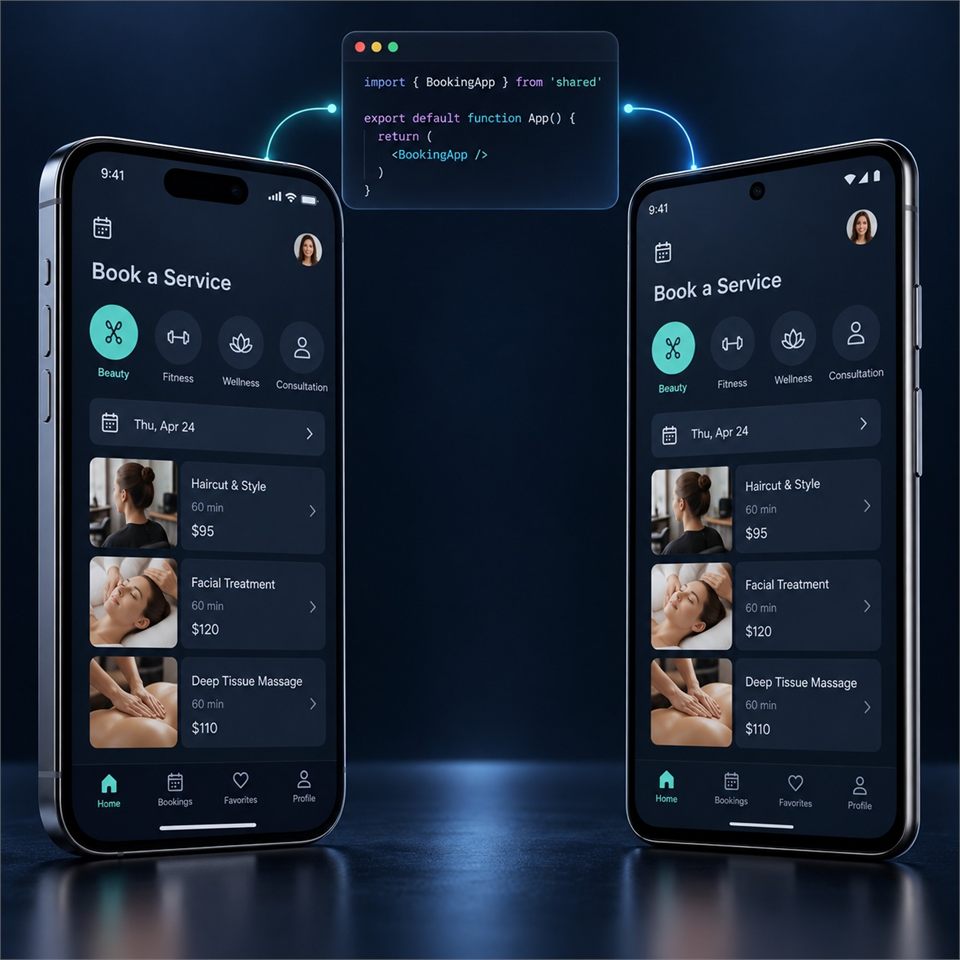
The same Ionic product, packaged for iOS and tested on the agreed Apple devices before App Store submission.
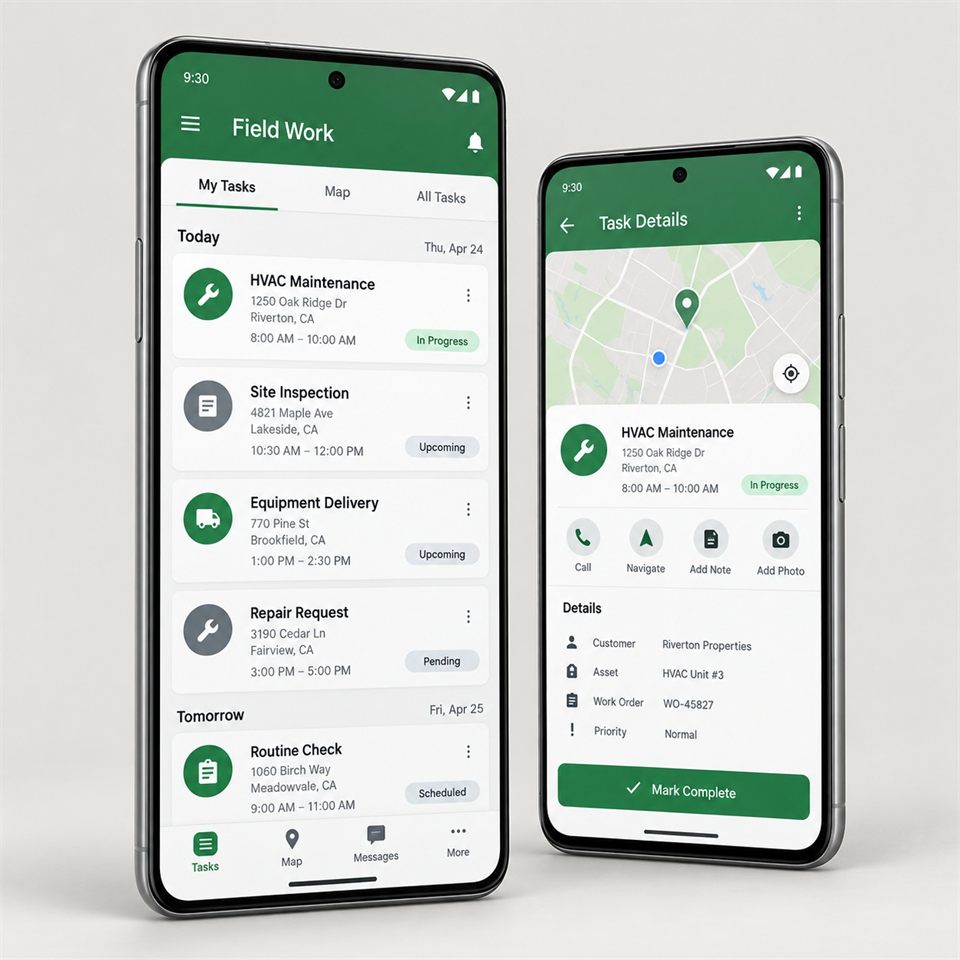
Your Ionic app, packaged for Android and tested across the agreed devices before Google Play submission.
OUR PREFERRED APPROACH
For ordering, bookings, customer portals and workforce tools, we prefer Ionic hybrid development. Sharing the app’s screens and business logic helps reduce duplicate work and keeps changes easier to coordinate.
A shared application for iOS and Android.
Platform-specific apps built separately for iOS and Android.
UNO specialises in Ionic hybrid development; we do not offer separate native iOS and Android builds. We assess device features, performance and offline requirements before committing to the scope.
Discuss Your Hybrid AppAgree users, priorities and acceptance criteria before the build.

Review screen flows and the steps people take to complete a task.

Clear, consistent screens designed for touch and everyday use.
Connect mobile actions to business rules, records and permissions.

Check supported devices, slow networks and failure scenarios.
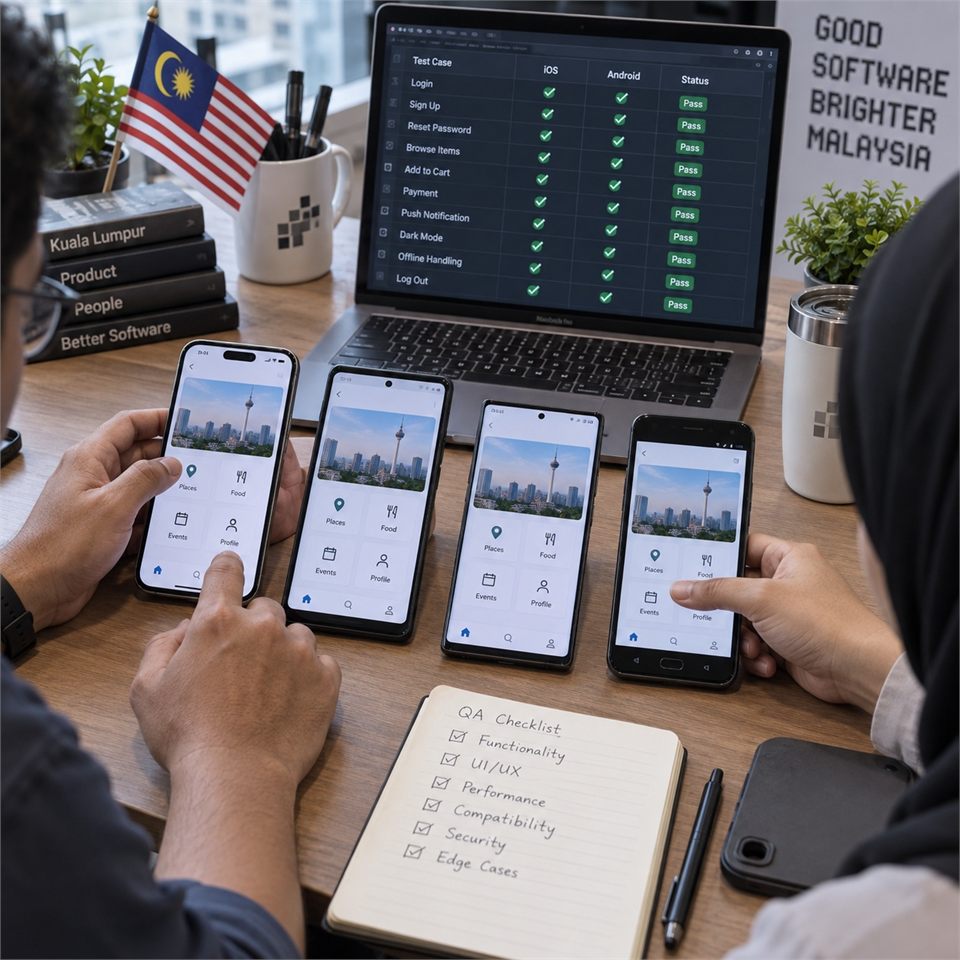
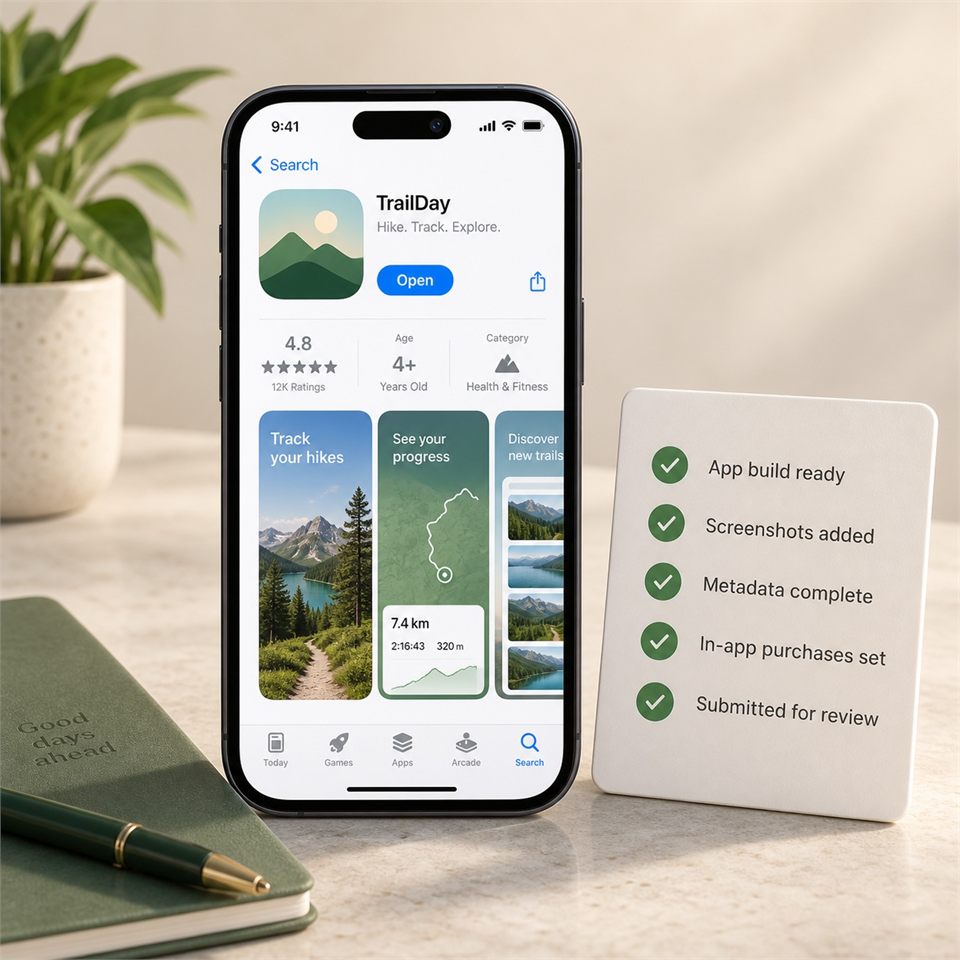
Prepare release assets, account access and store submissions.
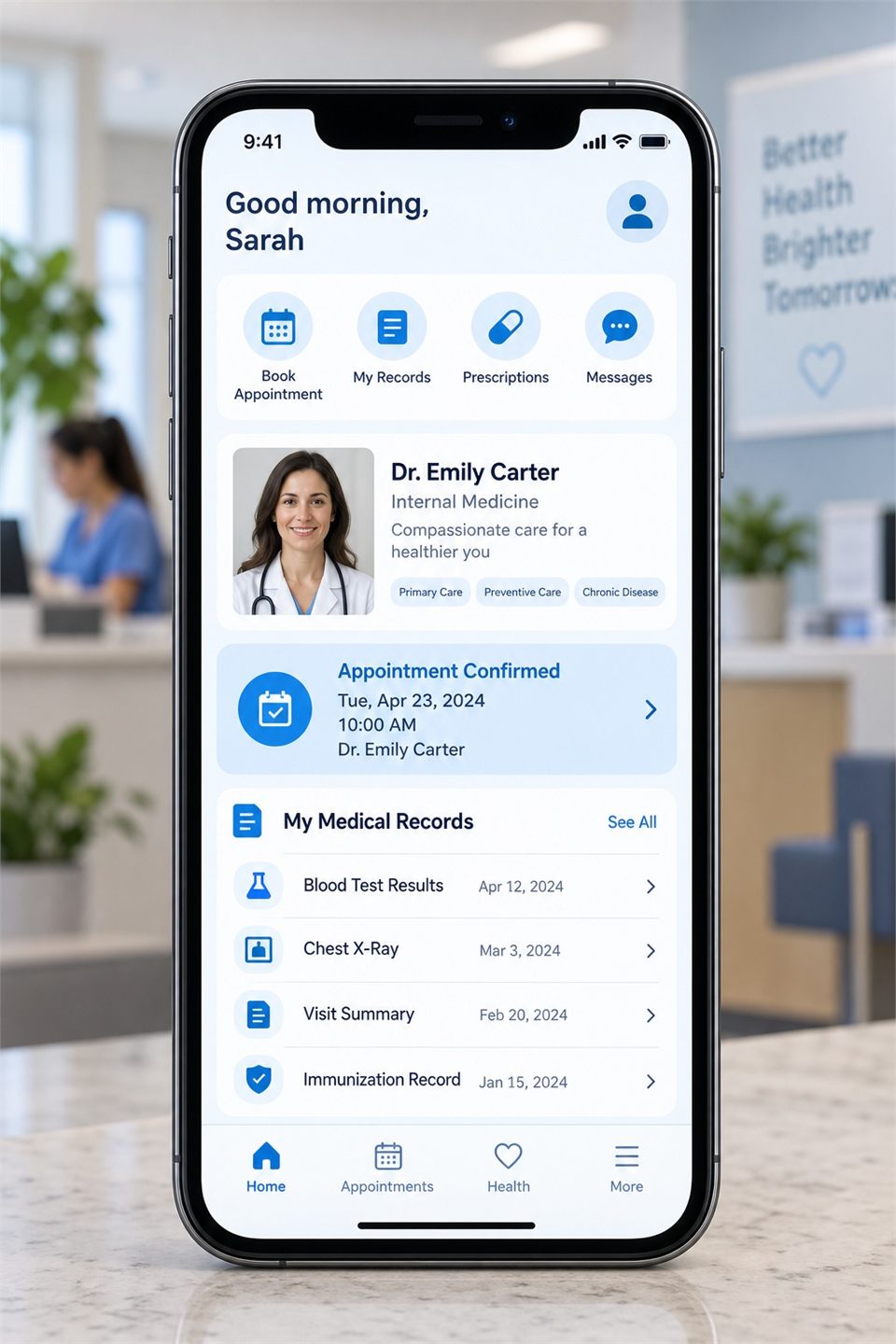
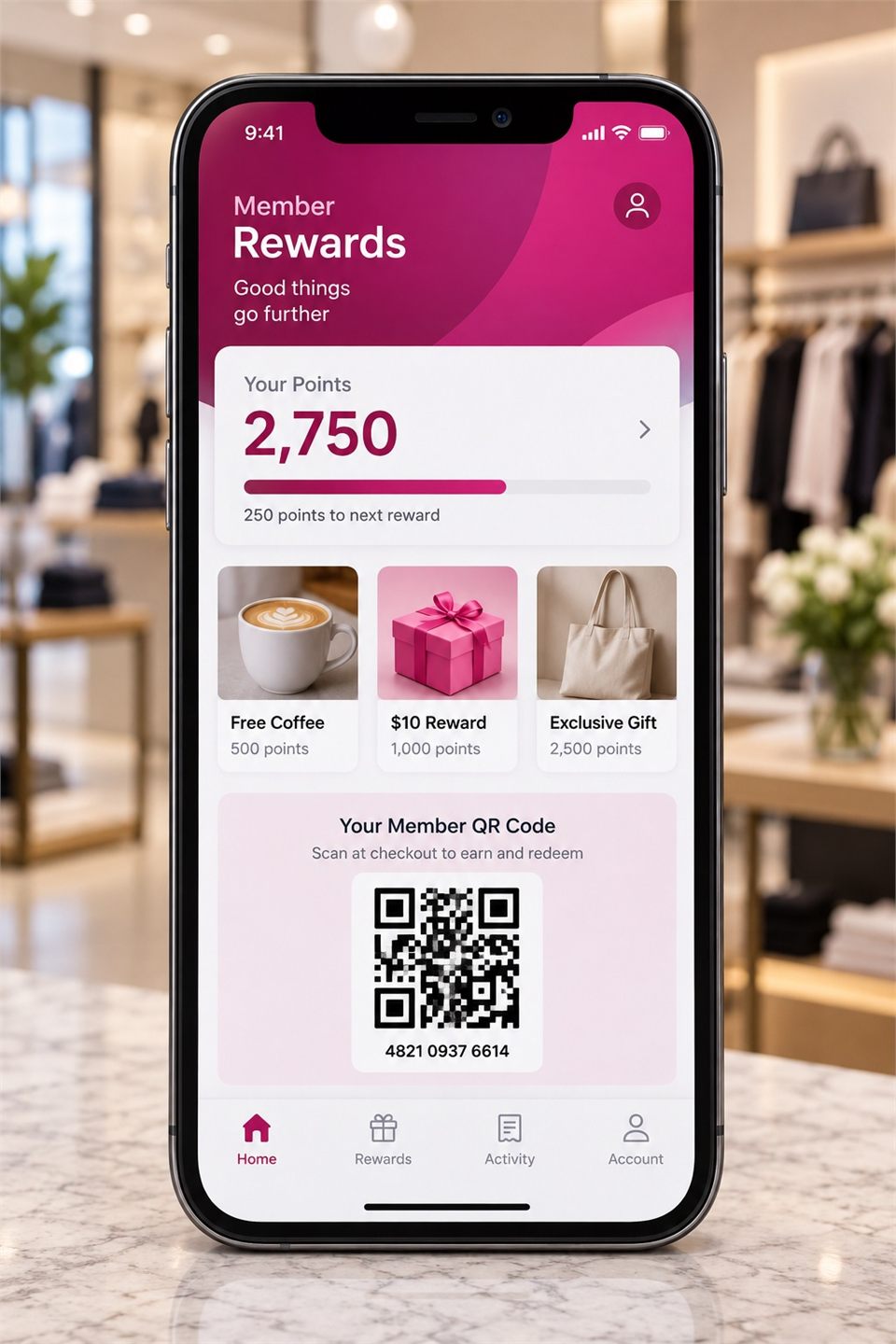
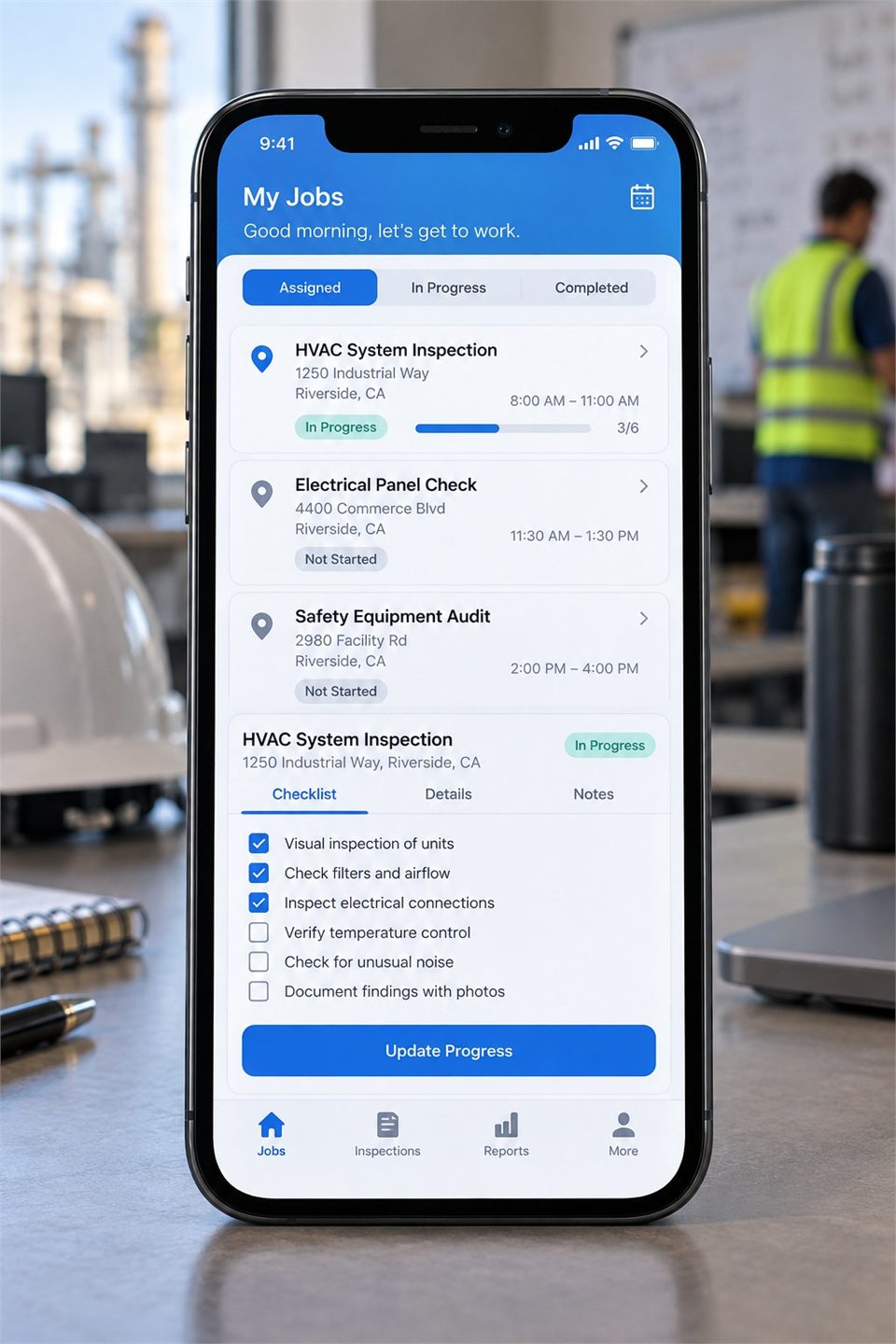
Bring transactions, customer records and app activity into the systems your team already uses.
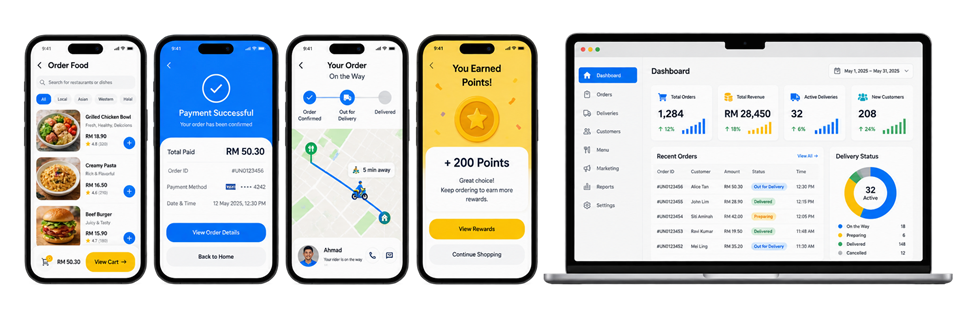
Customer actions flow into the records your operations team uses.

Test the Ionic app on agreed iOS and Android devices, including platform-specific behaviour.
Define access, local storage and the handling of sensitive records.
Plan releases, monitoring and support responsibilities before launch.
Clear decisions and review points, from the first brief to your app’s release.
Define the business problem, users, device needs and success criteria.
Agreed project scopeReview the main journeys and agree how exceptions will work.
Reviewed user flowsSet a clear visual system and review the key app screens.
Approved screen designsBuild, integrate and test on the agreed devices and networks.
Tested release candidatePrepare the release, respond to store review and hand over support.
Release & handoverBring ordering, payments, delivery updates and customer records into a coordinated workflow.
Explore Mobile App WorkYes. UNO builds hybrid mobile apps using Ionic, Angular and Capacitor, with a shared codebase for iOS and Android. Each platform still needs device testing and its own release preparation. We do not offer separate native iOS and Android development.
A mobile-friendly website is often enough for browsing information and occasional enquiries. An app is worth considering when people return frequently, need device features or must complete selected tasks without a connection. We look at how customers or staff will actually use it before recommending an approach.
Cost depends on the screens and tasks, backend system, integrations and device features. Offline use, different user roles and complex payment flows add work beyond the app interface. The quotation should cover the backend and admin tools as well as the iOS and Android releases.
Selected tasks can work offline, such as viewing assigned jobs or recording an update for later upload. We need to decide what stays on the device, how it is protected and how conflicting changes are resolved. Features that depend on live data still need a connection.
Yes, if the existing system exposes suitable APIs or can be extended to provide them. We check login, permissions and the records the app needs to read or update. Any backend changes are included in the project scope rather than assumed to be available.
Submission support can be included in the project. We agree who provides the developer accounts, privacy information, screenshots and release approval. Apple and Google control their review process, so store approval dates cannot be guaranteed.
A mobile app needs checks when operating systems, device plugins, backend APIs or store requirements change. Agree which devices and OS versions the project supports, who monitors errors and how updates are released. Maintenance of the app and its backend should be considered together.
These features can be assessed for an Ionic and Capacitor app, subject to platform support and device permissions. Describe the task behind each feature, such as scanning a code or attaching a site photo. The app also needs a usable response when permission is denied or a feature is unavailable.