01
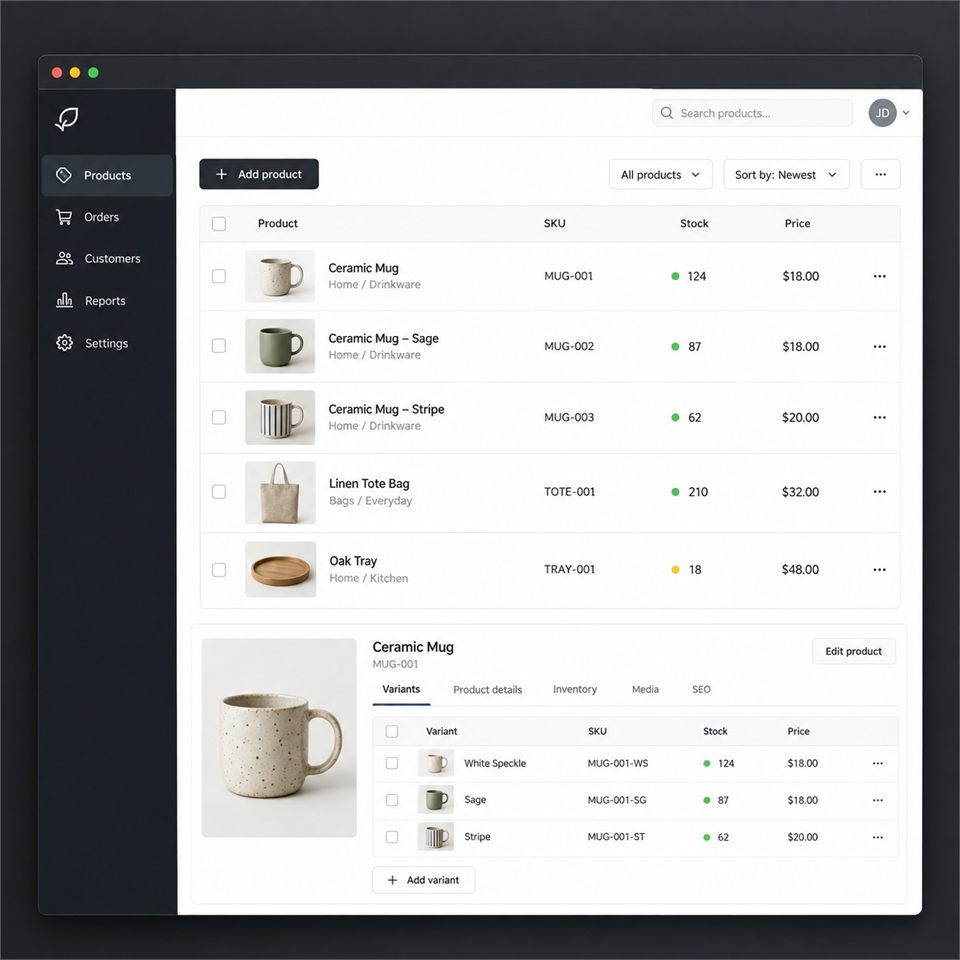
Product Catalogue
Manage categories, variants, stock codes and product information in one place.
Sell online. Keep operations in step.
Custom stores and ordering platforms built around your products, customer pricing, payments and fulfilment process.

Find products, variants and availability.
Review quantities, prices and delivery.
Complete payment and confirm the order.
Allocate stock, pack and dispatch.
Reorder from a customer account.
Manage categories, variants, stock codes and product information in one place.
Connect supported payment methods and record payments, failures and refunds.
Agree delivery rates, labels and tracking updates.
Define account prices, quantity breaks and promotion rules.
Review orders, products and sales performance.
Set up the markets your business serves.
Make browsing and checkout work on smaller screens.

Keep addresses, order history and repeat purchases together.
A branded catalogue and checkout for direct customer purchases.
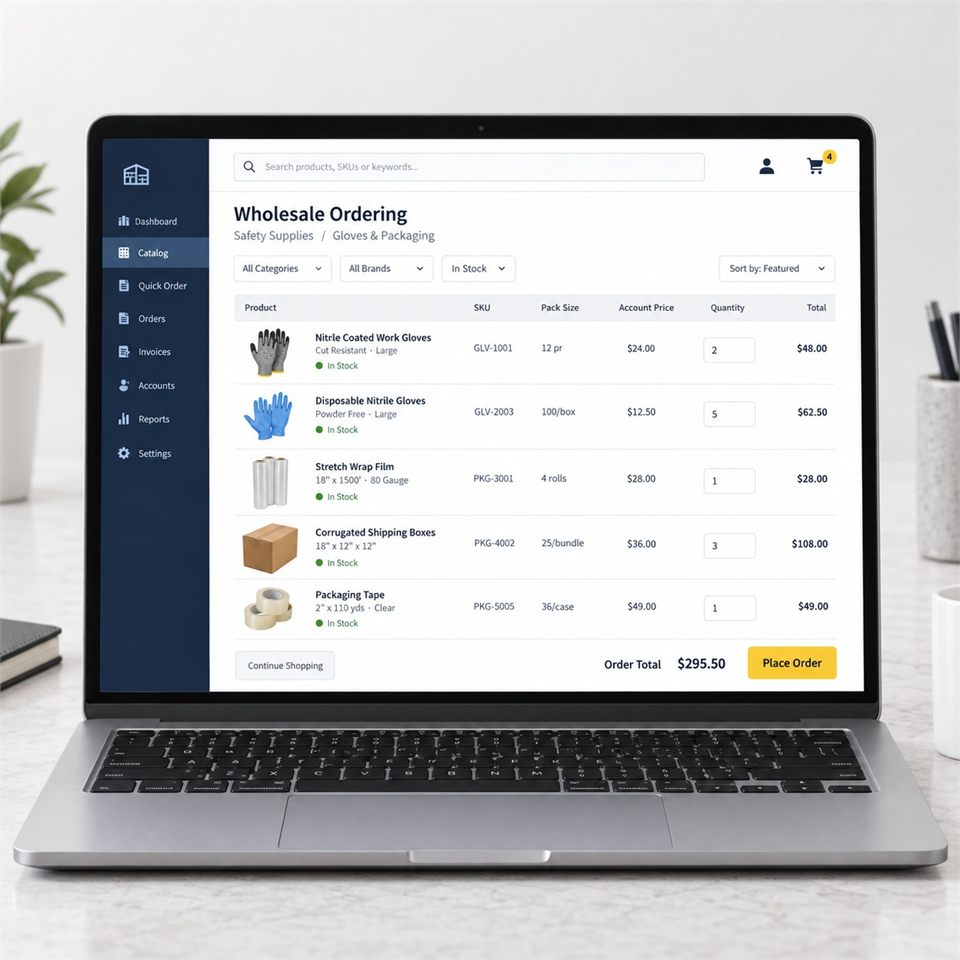
Account pricing, order permissions and agreed credit rules.
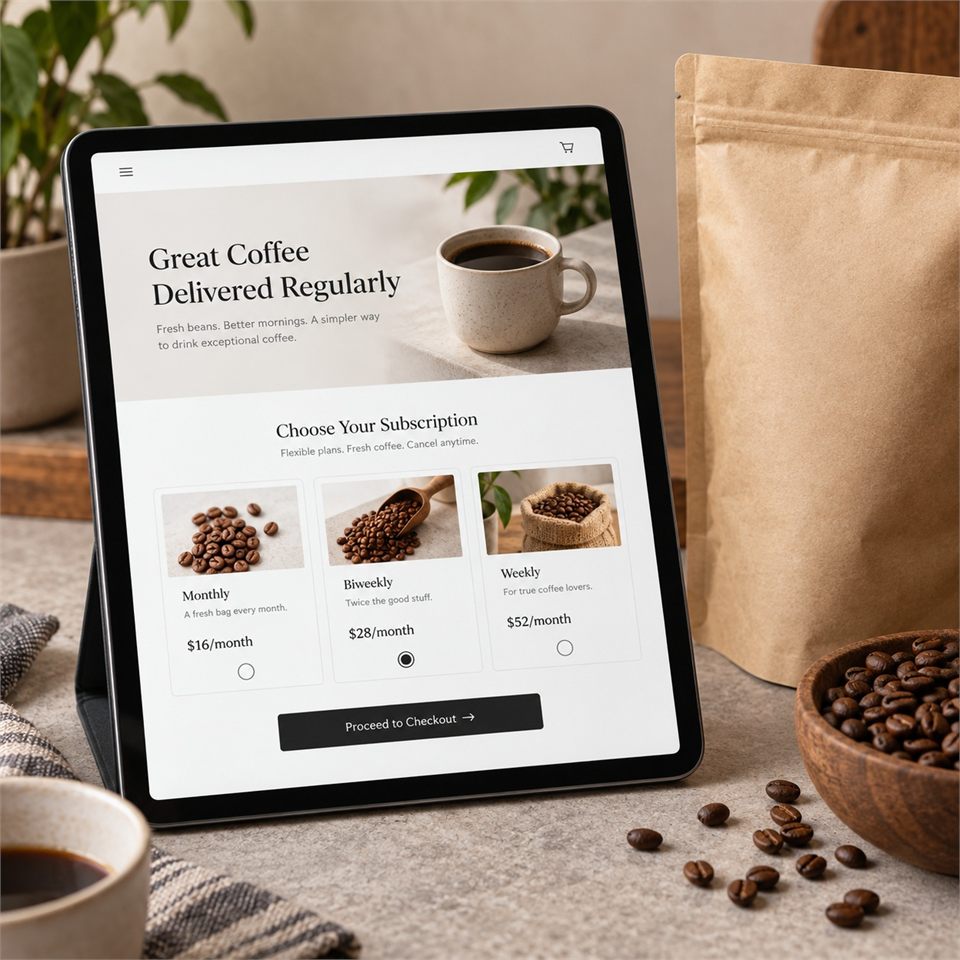
Manage paid access, subscriptions and renewal requirements.
Define seller access, commissions and settlement processes.
Help customers place regular orders with fewer repeated steps.
We confirm provider access, supported features and account requirements during scoping.
Record the transaction and release the order for processing.
Paid → ProcessingPrepare the courier label and attach tracking to the order.
Packed → Dispatched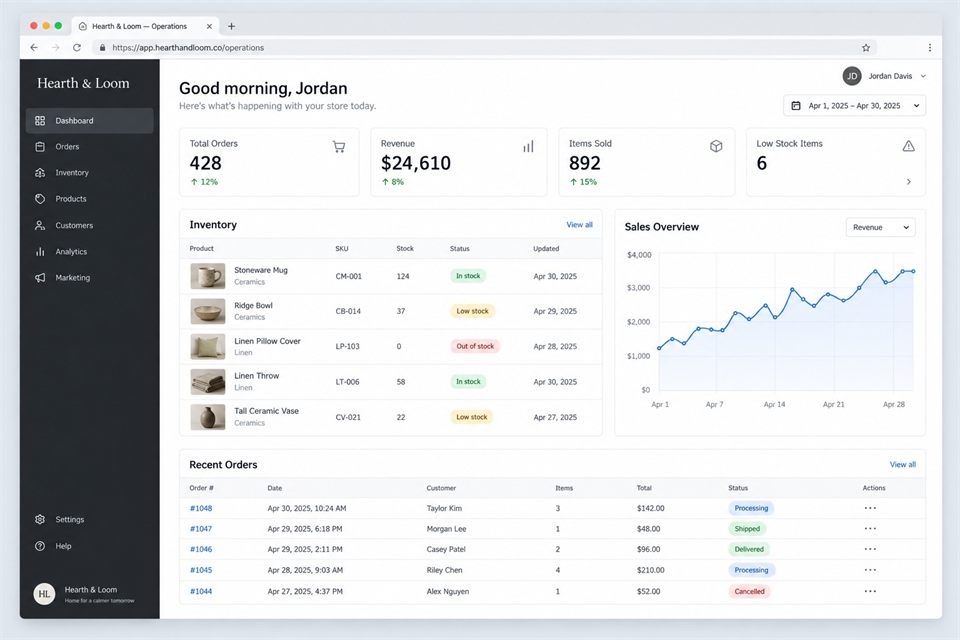

Agree which system owns each record, how updates flow and who handles exceptions.
Design and build the storefront around your catalogue, content and customer journey.
Handle delivery choices, payment states and checkout recovery.
Build vendor tools, product approval and order management.
Connect systems through supported APIs and document exception handling.

Sizes, colours and stock for each variant.

Pack sizes, delivery slots and repeat orders.

Product sizes, bundles and replenishment.

Specifications, accessories and compatibility.

Dimensions, materials and delivery options.
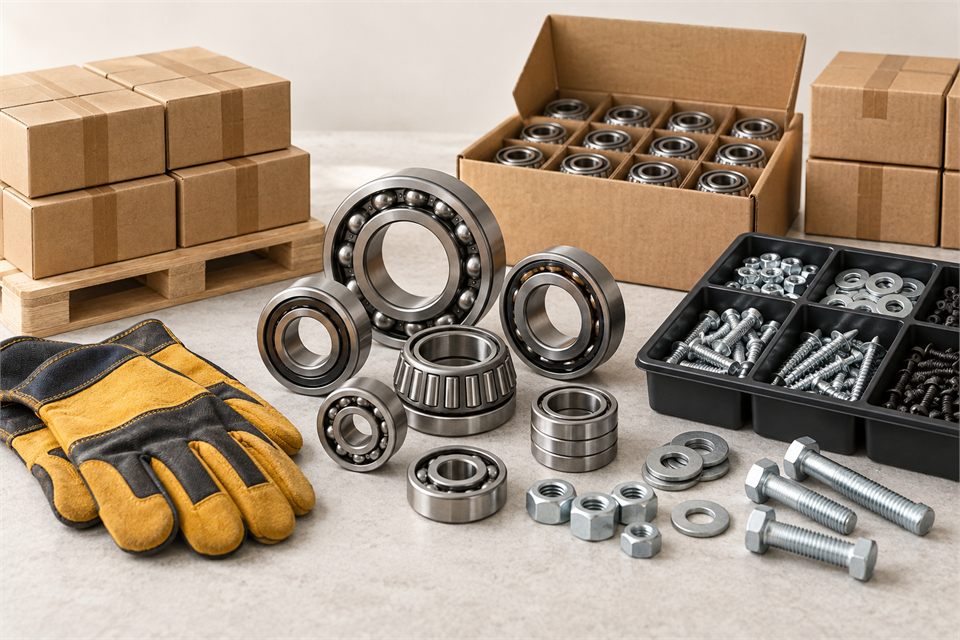
Trade pricing, minimum quantities and bulk packs.

Paid downloads, licences and account access.

Recurring orders, renewals and delivery schedules.
Plan stock allocation, picking, dispatch, returns and reconciliation alongside the storefront.
Explore Ecommerce Work
Map customers, products, order rules and the systems involved.
Agree screen flows, data ownership and integration requirements.
Build the store, order tools and supported system connections.
Test payments and order exceptions, train users and agree support.
A custom build is worth considering when standard store features do not cover your pricing, ordering or integration requirements.
UNO has delivered our project efficiently and promptly on our e-commerce website. They are pleasant to work with and understands our business needs and demands, while providing professional advices. The shopping cart is easy to manage and user friendly.
Custom ecommerce is useful when your selling process needs more than a standard catalogue and checkout. Examples include dealer pricing, purchase approvals, product bundles or orders that must connect to a warehouse system. A standard store may be enough if your products and checkout rules are straightforward.
Yes. The platform can include a public retail store alongside signed-in trade accounts with their own prices, catalogues and buying permissions. We need to define which prices take priority and how discounts, credit terms and tax apply to each customer group.
UNO can connect an ecommerce checkout to a payment gateway with suitable integration support. Available payment methods depend on the provider and your merchant account. We review payment confirmation, failed payments, refunds and settlement reporting as part of the checkout scope.
They can, provided the inventory or accounting system supports the required data exchange. We identify the source of stock figures, how often they update and when an order reserves inventory. Returns, cancellations and delayed updates need handling too.
Product options, pricing rules, checkout steps and integrations usually account for much of the work. Data migration, warehouse connections and separate dealer or branch accounts add to the scope. We also discuss hosting, payment-provider fees and ongoing maintenance so the running costs are clear.
Returns need separate decisions about money, stock and order status. A returned item may go back into available stock, await inspection or be written off. Partial refunds must match the affected items and delivery charges, with payment confirmation recorded against the original order.
Delivery rules can be scoped by service area, parcel weight, order value or fulfilment location. Your courier's supported services and rate data determine what can be calculated automatically. Define remote-area charges, free-delivery thresholds and unavailable destinations before building checkout.
Bring your catalogue, pricing rules and current systems. We’ll help define the scope.